Source Cute Anime Stuffed Plush Lemur for gifts, decor, and collections
Find 30 options for a Cute Anime Stuffed Plush Lemur designed for stress relief, party favors, and collectibles. Buyers can compare sizes, materials, and certifications from verified manufacturers offering customization and low MOQs.
Key considerations
Products List
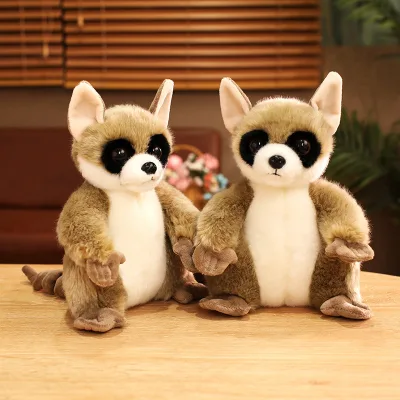


Custom Anime Cartoon Character Stuffed Animal Soft Toys Custom Plush Toys
$2.99 - $6.99
MOQ: 10 Pieces


Stuffed & Plush Toys Animals Pet Toys Wholesale Anime Plush Dolls Custom Plush Toys
$3.99 - $6.99
MOQ: 100 Pieces

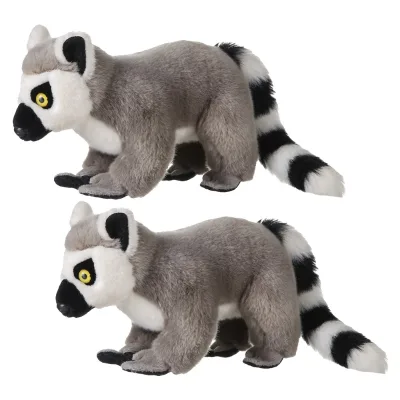
Cute Soft Baby Kid Children Gift Animal Madagascar Stuffed Lemur Plush Toy
$5.00 - $5.50
MOQ: 1000 Pieces




Comprehensive Sourcing Guide
Sourcing Strategy for Cute Anime Stuffed Plush Lemur Products
The global market for plush toys has evolved significantly, with "cute anime" aesthetics driving demand for character-driven soft goods. Among these, the lemur stands out as a distinct niche within the broader animal category, appealing to collectors and younger demographics alike. For B2B buyers, sourcing a "Cute Anime Stuffed Plush Lemur" requires a disciplined approach that balances aesthetic appeal with rigorous technical and compliance verification. The following guide outlines the essential factors for evaluating suppliers, understanding product specifications, and managing the procurement lifecycle for this specific product category.
Technical Specifications and Material Composition
When defining the technical requirements for a plush lemur, buyers must look beyond the visual design to the underlying material composition. The core material for high-quality plush toys in this category is typically described as "super soft plush," "short plush," or "long plush," often combined with "soft stuffed" or "fleece" fabrics. The tactile experience is critical; the surface finishing often involves "UV varnishing" to enhance color vibrancy and durability, or "washed" techniques to achieve a softer, vintage feel.
The filling material is equally important for maintaining the toy's shape and safety. The standard filling observed in this sector is "PP cotton" or "cotton," which provides the necessary loft and squishiness. Buyers should verify the lining material, which is commonly "polyester" or "cotton," to ensure breathability and structural integrity. The dimensions of the product vary significantly, with observed heights ranging from 11cm to 30cm, and specific models like the "Stuffed Animal Toys-580" or "BT-SW44001" indicating standardized sizing. The weight is a crucial logistical factor, with specific listings noting a density of approximately 0.17kg for a 24cm unit.
The manufacturing techniques also dictate the final look. Production can be "machine production" for consistency or "hand-made" for artisanal detail. Surface details often include "embroidered" features for eyes and noses, or "dyed" patterns for fur texture. The pose is typically "sitting" or "standing," with the modeling source explicitly categorized as "animals" or specific species like the "lemur." The style is frequently described as "cute," "fashion," "cartoon," or "anime," aligning with current market trends.
Compliance and Certification Verification
Safety compliance is non-negotiable when sourcing plush toys, especially those intended for children. The supply chain for these products often references a robust set of international certifications. Buyers should expect suppliers to hold management certifications such as "BSCI," "SEDEX," and "ISO," which indicate adherence to ethical labor practices and quality management systems.
Product-specific safety certifications are equally vital. The observed standards for this category include "CE," "EN71," "ASTM," "CPSIA," "REACH," and "Nm300." These standards cover mechanical safety, flammability, and chemical restrictions. For instance, EN71 is the European standard for toy safety, while ASTM and CPSIA are critical for the US market. It is imperative for buyers to request current test reports that explicitly reference these standards rather than accepting generic claims. The age range for these products varies widely, from "0 to 24 months" to "14 years & up," which directly influences the required safety testing protocols. Smaller components, such as embroidered eyes, must be securely attached to prevent choking hazards for the younger age groups.
Cost Drivers and Pricing Dynamics
The pricing structure for cute anime stuffed plush lemurs is influenced by several variables. The observed price range in the market spans from $0.10 to $7.66 USD, a wide disparity that reflects differences in size, material quality, and customization levels. The primary cost drivers include the complexity of the design, the type of plush fabric used, and the extent of customization.
Customization options such as logo printing or embroidery add to the unit cost. Suppliers often offer "customization available" services, which can include specific color requests from a palette including "black, gray, white, red, orange, yellow, green, blue, coffee, purple, colorful, transparent, gold, silver, brown, bluish, pink, violet, matel, beige." The packaging also affects cost; standard "Opp bag" packaging is common, but custom "original package" designs will incur higher fees.
The Minimum Order Quantity (MOQ) is another significant factor, with observed ranges from 1 to 5000 units. High-volume orders typically secure lower unit prices, while small orders accepted by suppliers may carry a premium. Lead times, typically "normally 45 days," also impact the overall cost structure, as expedited shipping or faster production schedules often require additional fees. Buyers must balance the desire for low unit costs with the need for quality assurance and timely delivery.
Typical Applications and Market Segmentation
The versatility of the cute anime stuffed lemur allows for diverse applications across various market segments. The product is marketed for a wide array of occasions, including "formal," "casual," "holiday," "party," "travel," "birthday," "leisure time," "wedding," "camping," "workwear," "daily" use, and as "presents." This broad applicability makes the product suitable for retail gift shops, toy stores, and corporate promotional programs.
Functionally, these toys serve multiple purposes. They are designed for "stress relief," acting as comfort objects for adults and children. They also function as "collects toy" items for enthusiasts and "anime accessories" for fans of specific franchises. The gender classification is generally "unisex," though they are often marketed specifically to "girls" and "boys." The age groups targeted include "2 to 4 years," "8 to 13 years," "0 to 24 months," and "5 to 7 years," indicating that the product line must be carefully segmented to match safety standards and design complexity for each demographic.
Supplier Evaluation and Selection Criteria
Selecting the right supplier requires a thorough evaluation of their capabilities and track record. Buyers should prioritize suppliers who demonstrate transparency in their "place of origin," which is often listed as "GUA" or "China." The ability to provide "original package" options and handle "small orders" is a strong indicator of supplier flexibility.
Key evaluation metrics include the supplier's "sample time," which is typically "normally 1-5 days," allowing buyers to quickly assess product quality before committing to a bulk order. The "lead time" of "normally 45 days" should be factored into the supply chain planning. Buyers must verify the supplier's capacity for "customization," including the availability of "printing/embroidery" for logos.
A reliable supplier will provide detailed documentation regarding their "management certifications" and "product certifications." They should also be able to articulate their "technics," whether "machine production" or "hand-made," and explain how these methods affect the final product's consistency. The "selling units" are typically "single item," but the supplier should be capable of scaling production for larger orders.
Quality Control and Inspection Protocols
Implementing a robust quality control (QC) protocol is essential to ensure that the final product meets the buyer's specifications. Inspection should begin with the raw materials, verifying that the "main material" matches the agreed-upon "super soft plush" or "short plush" specifications. The "filling" must be checked for consistency and cleanliness, ensuring it is free from contaminants.
Visual inspection is critical for assessing the "surface finishing," "embroidered" details, and "dyed" colors. Buyers should verify that the colors match the requested palette and that there are no defects in the fabric or stitching. The dimensions, including "height" and "weight," must be measured against the specified model numbers like "SG35006" or "BT-SW44001."
Safety checks are paramount. Inspectors must verify that all components are securely attached and that the product passes the relevant safety tests for the target market. The "packaging" should be inspected for damage and correctness, ensuring that the "Opp bag" or custom packaging meets the required standards. Random sampling based on the order size is recommended to ensure batch consistency.
Long-Term Procurement Considerations
For buyers looking to establish a long-term relationship with a supplier, several strategic considerations come into play. The "customization" capabilities of the supplier should be evaluated for their ability to adapt to changing market trends, such as new anime styles or seasonal color palettes. The "sample time" and "lead time" should be reliable and consistent to support just-in-time inventory strategies.
Scalability is another key factor. As demand grows, the supplier must be able to increase production without compromising quality. The "MOQ" flexibility allows buyers to test the market with smaller orders before committing to larger volumes. The supplier's commitment to "eco-friendly" features, if available, can also be a differentiator in markets where sustainability is a priority.
Finally, maintaining open communication regarding "management certifications" and "product certifications" ensures that the supply chain remains compliant with evolving international regulations. By focusing on these long-term factors, buyers can secure a stable supply of high-quality cute anime stuffed plush lemurs that meet both consumer expectations and regulatory requirements.
FAQs
What materials are used for cute anime stuffed plush lemurs?
The main material is typically super soft plush, short plush, or fleece fabric. These toys are filled with PP cotton or cotton to ensure a soft texture and maintain their shape for long-term use.
Which certifications do these plush toys typically hold?
Products often carry management certifications like BSCI, SEDEX, and ISO. Specific safety standards include CE, EN71, ASTM, CPSIA, REACH, and Nm300 to ensure compliance for international markets.
Can I customize the logo on these plush lemur toys?
Yes, customization is available with options for printing or embroidery on the product. Buyers can request specific colors from a wide palette including black, gray, white, and various bright shades.
What is the typical lead time for manufacturing orders?
The normal lead time for production is typically 45 days. Sample preparation usually takes 1 to 5 days, allowing buyers to verify quality before committing to bulk manufacturing schedules.
How does the price range vary for these stuffed animals?
The observed price range spans from 0.10 to 7.66 USD per unit. Costs fluctuate based on size, material quality, customization levels, and the specific minimum order quantity required by the supplier.
What age groups are suitable for these plush lemur toys?
These toys are designed for age ranges from 0 to 24 months up to 14 years and older. Specific models cater to groups like 2 to 4 years, 5 to 7 years, and 8 to 13 years.
What are the standard dimensions for these stuffed animals?
Heights typically range from 11cm to 30cm, with specific models like the 24cm unit weighing 0.17kg. The pose is usually sitting or standing, depending on the specific model design.